
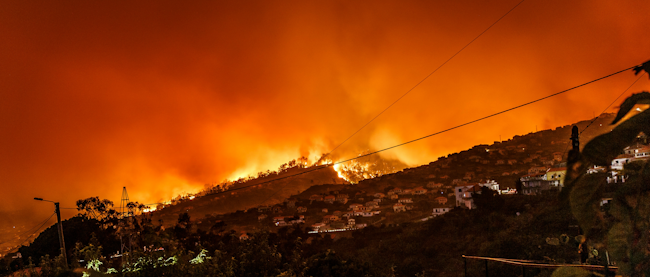
It’s fire season in Colorado, which gets me thinking about conversations I’ve had with my business clients.
I know that seems like a little bit of a stretch, but let’s explore for a moment.
When disaster happens, our natural instinct is to run away. Get as far away from the danger as fast as possible. With that distance, we’ll have a bit of safety to examine the situation and figure out what to do next.
Here’s the problem: Running away doesn’t provide any direction at all. You may indeed be running into another situation that presents new dangers.
The role of the leader, then, is to figure out what the proper distance is for stopping to think. To figure out what the appropriate level of response might be and move toward that action.
That’s the hard part, because your mind and hormonal responses might still be screaming “danger!” at you.
This is all helped if you’ve done some advance planning.
- What would you do if a natural disaster shut down your facility?
- What would you do if your top employee leaves the organization?
- What would you do if a new big competitor came on the scene?
- What would you do if an employee exhibits unacceptable behavior?
- What would you do if you lose your best customer?
These might not seem the same as a fire, but your body will tell you to have the same initial reaction. Run away.
But don’t go too far before you stop and think.
 The Values-Based Business
Leave a comment
Comments feed for this article